


Flagpole Foundation Installation: Built to Last, Engineered to Hold
Every flagpole is only as strong as the foundation beneath it. All States Flag & Pole provides professional flagpole foundation installation for residential properties, commercial facilities, schools, municipalities, and more — across Pennsylvania, Delaware, and surrounding areas.
Request a Free Site EvaluationWhy the Foundation Is the Most Critical Part of Any Flagpole Installation
A flagpole is a highly visible structure — often the first thing visitors notice when approaching a home, business, school, or government building. But the most important element of any flagpole installation is invisible: the foundation that holds everything in place underground.
Without a properly engineered flagpole foundation, even a premium aluminum or fiberglass pole is vulnerable to tipping, leaning, or catastrophic failure during high winds. Soil conditions, frost depth, flagpole height, and expected wind loads all factor into designing a foundation that performs for decades without settling, cracking, or shifting.
At All States Flag & Pole, we approach every foundation installation with the same attention to engineering detail that we bring to every project. Whether you're installing a new flagpole or replacing a foundation beneath an existing pole, our team evaluates your specific site conditions and builds a foundation designed to match your flagpole and environment.
What Is a Flagpole Foundation?
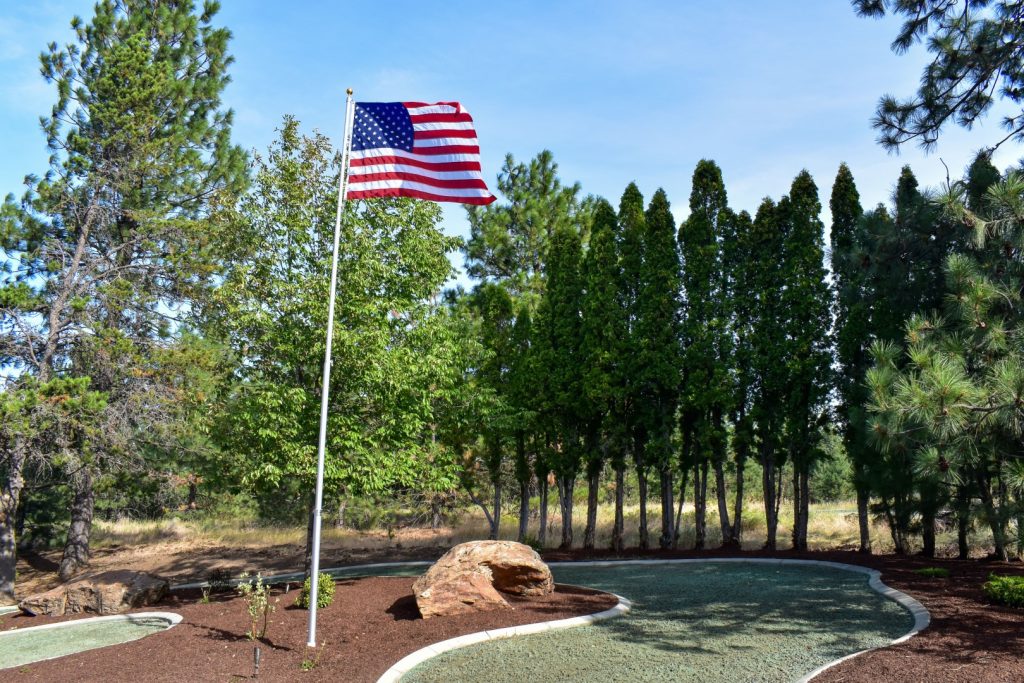
A flagpole foundation is a reinforced concrete pier or footing, poured in-ground, designed to anchor a flagpole securely against the lateral forces of wind and the vertical forces of the pole's own weight. Depending on the application, the foundation may be a simple cylindrical concrete pier or a more complex engineered footing with embedded rebar and a ground sleeve.
The foundation serves several critical functions:
- Load transfer: It distributes the dynamic wind loads from the flagpole into the surrounding soil, preventing movement at the base.
- Stability: It resists overturning forces that increase with flagpole height and flag size.
- Alignment: A properly formed foundation keeps the pole perfectly plumb and on-center throughout its service life.
- Weather resistance: Concrete foundations resist freeze-thaw cycles, ground moisture, and soil movement common in Pennsylvania and Delaware climates.
- Sleeve integration: Most flagpole foundations incorporate a ground sleeve — a steel tube embedded in the concrete — that accepts the butt of the flagpole and allows future removal if needed.
⚠️ An undersized or improperly mixed foundation is one of the most common causes of flagpole failure. A foundation that worked well for a 20-foot pole will not safely support a 30- or 40-foot pole. Always match your foundation specifications to your specific flagpole and site conditions.

Our Flagpole Foundation Installation Process
We follow a structured, field-proven process for every flagpole foundation project — from initial consultation through final inspection. Here's what to expect when you work with All States Flag & Pole:
Initial Consultation
We start by understanding your project — flagpole height, pole type (aluminum, fiberglass, or steel), flag size, and how the installation fits into your property or facility. This helps us determine the correct foundation size before we ever visit the site.
Site Evaluation
Our team visits your property to assess soil conditions, drainage, existing underground utilities (we coordinate with PA One Call / Miss Utility), proximity to structures, and any grade or drainage considerations that affect foundation design. A proper site evaluation catches problems before they become costly.
Foundation Design & Specifications
We determine the correct foundation diameter, depth, concrete mix, reinforcement requirements, and ground sleeve specification based on your flagpole manufacturer's requirements and local conditions. We reference manufacturer engineering data and, when required, coordinate with structural engineers.
Permitting Guidance
We advise you on local permit requirements. Some municipalities require permits for flagpole installations above a certain height; others require separate permits for the concrete foundation work. We guide you through this process so your installation is fully code-compliant.
Excavation
We excavate the foundation hole to the specified diameter and depth using appropriate equipment for the site. Proper excavation ensures the foundation dimensions match engineering requirements and that the hole walls are stable for forming and pouring.
Ground Sleeve Placement
The ground sleeve — a heavy steel tube sized to accept your specific flagpole butt diameter — is carefully positioned in the center of the excavation, plumbed, and braced to maintain perfect vertical alignment during the concrete pour. Sleeve depth and exposure height are set precisely to manufacturer specifications.
Concrete Pour
We use properly specified concrete (minimum 3,000 PSI for most residential foundations; higher strength mixes for commercial and taller flagpole applications) and ensure complete consolidation around the sleeve without voids or cold joints. The top of the foundation is finished at the correct grade to shed water away from the base.
Cure Time & Inspection
We allow adequate curing time — typically 24 to 72 hours minimum, depending on temperature, humidity, and concrete mix — before the flagpole is set. We then inspect the completed foundation for alignment, surface quality, and sleeve positioning before proceeding with flagpole installation.
Flagpole Setting & Final Inspection
Once the foundation has cured, we set the flagpole, verify plumb in multiple directions, and complete all hardware, halyard, and flag installation. The completed project is inspected from top to bottom before we consider the job finished.
Flagpole Foundation Sizing Reference Guide
The table below provides general reference specifications. Actual requirements depend on your specific flagpole manufacturer's engineering data, local soil conditions, wind zone, and applicable codes. Always consult a professional flagpole contractor before proceeding.
| Flagpole Height | Typical Foundation Diameter | Typical Foundation Depth | Typical Concrete Strength | Common Application |
|---|---|---|---|---|
| Up to 20 ft. | 12 – 16 in. | 2 – 3 ft. | 3,000 PSI | Residential, small commercial |
| 20 – 30 ft. | 16 – 20 in. | 3 – 4 ft. | 3,000 – 4,000 PSI | Residential, HOA, church |
| 30 – 40 ft. | 20 – 24 in. | 4 – 5 ft. | 3,500 – 4,000 PSI | Commercial, school, municipal |
| 40 – 60 ft. | 24 – 30 in. | 5 – 7 ft. | 4,000+ PSI | Commercial, government, veterans memorial |
| 60 ft. and above | Engineer specified | Engineer specified | Engineer specified | Industrial, large-scale installations, crane installation |
Note: These are general guidelines only. All States Flag & Pole determines exact specifications based on site evaluation, manufacturer requirements, and applicable engineering standards.
Why Professional Flagpole Foundation Installation Matters
Wind Load Engineering
A flagpole acts as a vertical cantilever in the wind. Wind loads increase dramatically with height — a 40-foot flagpole flying a large flag can generate thousands of pounds of lateral force at the base during a high-wind event. A foundation that is too shallow, too narrow, or made with low-quality concrete will allow the pole to rock, lean, or eventually fail. Professional installation accounts for local wind speed data and flag size when sizing the foundation.
Frost Depth Compliance
In Pennsylvania and Delaware, soil freezes to varying depths each winter. A foundation that does not extend below the frost line is subject to heaving — the expansion of frozen soil that can lift and tilt the entire flagpole over a single winter. Our foundations are designed to extend below local frost depth requirements, preventing this common and costly problem.
Soil Conditions
Clay soils, sandy soils, fill soils, and rock all behave differently under load. Expansive clay can place enormous lateral pressure on a foundation; loose sandy soils provide little lateral resistance. Our site evaluation identifies soil conditions so the foundation can be properly designed for your specific location.
Ground Sleeve Precision
A misaligned ground sleeve is difficult and expensive to correct after the concrete has cured. Even a small deviation from plumb creates visible lean once the flagpole is installed. Our team braces and confirms sleeve alignment before and during the pour to ensure the finished flagpole is perfectly vertical.
Avoiding Utility Conflicts
Excavating without first identifying underground utilities — gas lines, electrical conduit, water mains, irrigation lines — is dangerous and potentially illegal. We coordinate utility locates through the appropriate state services before any excavation begins.
Long-Term Cost Savings
A properly engineered and installed flagpole foundation should last as long as the flagpole itself — 30 to 50 years or more in many cases. Cutting corners on the foundation often results in expensive repairs, pole replacement, or even liability issues if the pole fails and causes property damage or injury. Investing in the foundation correctly from the start is always the economical choice.
Benefits of a Professionally Installed Flagpole Foundation
Structural Stability
A properly engineered foundation keeps your flagpole plumb and secure in all weather conditions, including high winds and severe storms.
Long Service Life
Quality concrete and correct sizing mean your foundation performs for decades without settling, cracking, or requiring repair.
Code Compliance
Professional installation ensures your foundation meets local building codes, zoning requirements, and flagpole manufacturer specifications.
Safety Assurance
A secure foundation eliminates the risk of flagpole tipping or collapse, protecting people, vehicles, and property near the installation.
Professional Appearance
A perfectly plumb, properly finished foundation ensures your flagpole stands straight and looks sharp from every angle.
Future Flexibility
Ground sleeve foundations allow the flagpole to be removed, relocated, or replaced in the future without demolishing the entire foundation.
Types of Projects We Handle
All States Flag & Pole installs flagpole foundations for a wide range of property types and project scales. Our experience spans simple residential installations to complex multi-pole commercial arrays and large-scale municipal projects.
Residential Properties
- Single-family homes and estates
- Private driveways and entrances
- Lakefront and rural properties
- Gated communities and HOAs
- Historic homes with specific aesthetic requirements
Commercial & Institutional
- Office buildings and corporate campuses
- Retail centers and shopping complexes
- Hotels and hospitality properties
- Industrial facilities and warehouses
- Healthcare campuses and medical facilities
- Banks and financial institutions
Government & Municipal
- Municipal buildings and town halls
- Police and fire stations
- Parks and public spaces
- Federal and state government facilities
- Veterans memorials and monuments
Educational & Religious
- K–12 schools and school districts
- Colleges and universities
- Churches, synagogues, and houses of worship
- Private academies and prep schools
Foundation Types, Materials, and Ground Sleeves
Not all flagpole foundations are the same. The construction method, materials, and embedded hardware vary based on the application, flagpole type, and site constraints.
Standard Concrete Pier with Ground Sleeve
This is the most common foundation type for residential and commercial flagpoles. A cylindrical pier of concrete is poured around a centered steel ground sleeve. The ground sleeve accepts the butt of the flagpole and is typically filled with sand or compacted fill to support the pole from the bottom. This design allows the pole to be removed and replaced without disturbing the foundation.
Rebar-Reinforced Foundations
For taller flagpoles, larger flag sizes, or sites with poor soil conditions, foundations are reinforced with steel rebar cages. Reinforcement significantly increases the foundation's resistance to cracking and lateral movement under heavy wind loads. Rebar is standard for commercial, municipal, and any flagpole exceeding 35 to 40 feet in height.
Direct-Embed Foundations
Some flagpole applications — typically older installations or certain decorative poles — use a direct-embed method where the flagpole base is set directly into the concrete without a removable sleeve. While this provides excellent rigidity, it makes future removal more difficult and is less commonly recommended for modern installations.
Multi-Pole Array Foundations
Commercial entrances and government facilities often feature rows of flagpoles at consistent heights and spacing. These projects require carefully coordinated layout, consistent foundation depths, and precise sleeve alignment across multiple holes to ensure the finished array looks uniform and professional.
Ground Sleeve Specifications
Ground sleeves are fabricated from heavy-gauge steel, sized to match the butt diameter of specific flagpole manufacturers and models. Using the correct sleeve size is essential — an oversized sleeve allows movement at the base, while an undersized sleeve won't accept the pole at all. All States Flag & Pole matches sleeves to your specific flagpole model and manufacturer requirements.
💡 Replacing an existing flagpole? If your current foundation and sleeve are in good condition and the right size for your new pole, it may be possible to reuse them — saving time and cost. Our team evaluates existing foundations as part of any flagpole replacement consultation. Learn more about our flagpole installation services.
Foundation Compatibility with Different Flagpole Types
The flagpole foundation must be engineered to match the specific pole it supports. Different flagpole materials and systems have different base diameters, weight characteristics, and structural behaviors.
| Flagpole Type | Foundation Considerations | Typical Use |
|---|---|---|
| Aluminum Flagpoles | Standard concrete pier with manufacturer-matched sleeve; lighter weight reduces foundation demands relative to height | Residential, commercial, school, government |
| Fiberglass Flagpoles | Similar to aluminum; excellent for coastal or high-salt environments; foundation sized to manufacturer specs | Coastal, marine, chemical-exposure environments |
| Telescoping Flagpoles | Ground sleeve or surface mount depending on model; some telescoping poles use specialized anchor systems | Residential, HOA, temporary applications |
| Steel Flagpoles | Heavier poles require larger, reinforced foundations; common for industrial and very tall installations | Industrial, military, large-scale commercial |
| Crane-Installed Poles (60 ft.+) | Engineer-stamped foundation drawings typically required; deeper, wider footings with heavy rebar reinforcement | Stadiums, government campuses, large commercial |
Frequently Asked Questions About Flagpole Foundation Installation
How deep should a flagpole foundation be?
Foundation depth depends on several factors: flagpole height, local frost depth, soil bearing capacity, and expected wind loads. A common rule of thumb is that the foundation should extend approximately 10% of the flagpole's above-grade height into the ground, plus enough additional depth to clear local frost depth. For example, a 30-foot flagpole in Pennsylvania might require a foundation 3.5 to 4.5 feet deep to account for both structural and frost requirements. All States Flag & Pole determines exact depth based on your specific site and flagpole.
Do I need a permit for flagpole foundation installation?
Permit requirements vary by municipality and state. Many jurisdictions require building permits for flagpoles above a certain height — commonly 15 to 25 feet — and may require separate permits for concrete foundation work. Some HOAs also have their own approval processes. We guide every client through applicable permit requirements as part of our project process.
How long does flagpole foundation installation take?
Most standard flagpole foundations can be excavated, formed, and poured in a single day. However, the concrete must cure before the flagpole is installed — this typically takes 24 to 72 hours under normal conditions, though cooler temperatures can extend cure time. Plan for a two-day process: foundation one day, pole installation the next or the day after.
Can you replace just the foundation without replacing the flagpole?
Yes. If your existing flagpole is in good condition but the foundation has cracked, settled, or no longer provides adequate support, we can remove the pole, demolish the old foundation, excavate and pour a new one, and reinstall your existing flagpole. This is often more economical than replacing the entire system.
What happens if the ground sleeve rusts or corrodes?
Steel ground sleeves can corrode over time, particularly in wet soils or environments with road salt exposure. A corroded sleeve may make pole removal difficult or allow moisture to enter the flagpole base. In many cases, a corroded sleeve can be removed and replaced without demolishing the entire concrete foundation. We assess sleeve condition as part of any repair or replacement consultation.
Can a flagpole foundation be installed on a slope or grade?
Yes, but sloped sites require additional planning. The foundation top must be set at the correct height to maintain proper pole elevation, and drainage away from the base must be addressed to prevent water accumulation. Our site evaluation specifically assesses grade conditions and determines the correct approach for your property.
What size foundation do I need for a residential flagpole?
Most residential flagpoles in the 20 to 25 foot range require a 14- to 18-inch diameter foundation poured to a depth of 3 to 4 feet. For 30-foot residential flagpoles, foundations of 18 to 22 inches diameter and 4 to 5 feet deep are typical. Exact sizing depends on your specific pole model, manufacturer requirements, and local conditions.
Do you handle foundations for multi-pole commercial installations?
Yes. All States Flag & Pole regularly handles commercial arrays with multiple flagpoles at coordinated heights and spacing. Multi-pole projects require careful layout planning, consistent foundation specifications across all poles, and precise sleeve alignment to ensure a uniform, professional appearance. Contact us to discuss your specific commercial flagpole foundation project.
Is the foundation work included with flagpole installation?
In most cases, yes — our complete flagpole installation service includes all foundation work. However, if you're replacing just a foundation, adding a foundation for an existing pole, or working on a foundation-only phase of a larger project, we can scope and price the foundation work separately. Review our full flagpole services for details.
Related Flagpole Services
A flagpole foundation is just the beginning. All States Flag & Pole offers a complete range of flagpole services to support your project from initial installation through long-term maintenance:
- Flagpole Installation: Complete turnkey installation of aluminum, fiberglass, and steel flagpoles for all property types — residential, commercial, school, church, and municipal.
- Flagpole Repair: Repair of damaged poles, failed hardware, worn halyards, and deteriorated foundations. Our repair services extend the life of your existing investment.
- Flagpole Removal: Safe removal of existing flagpoles and foundations, whether for property renovation, replacement, or site clearance.
- Flagpole Relocation: If your flagpole needs to move to a new position on your property, we handle the complete removal, new foundation installation, and pole reinstallation.
- Crane Flagpole Installation: For very tall flagpoles (60 feet and above), our team coordinates crane installation services with engineered foundations designed for high-load applications.
- Flagpole Maintenance: Scheduled maintenance inspections keep your flagpole hardware, halyard, and foundation in peak condition year after year.

Why Choose All States Flag & Pole for Flagpole Foundation Installation
There are a lot of contractors who can pour concrete. What sets All States Flag & Pole apart is our specific expertise in flagpole foundation engineering — understanding how wind loads, soil conditions, frost depth, and flagpole specifications interact to determine what a particular foundation needs to be.
🏗 Flagpole-Specific Expertise
We don't approach flagpole foundations as generic concrete work. Every specification decision — depth, diameter, concrete strength, sleeve size — is driven by flagpole engineering requirements, not guesswork.
🔍 Thorough Site Evaluation
We evaluate your site before committing to specifications. Soil conditions, drainage, grade, utility locations, and surrounding structures all influence foundation design. We account for all of it.
✅ Code-Compliant Process
From utility locates through permitting through final inspection, our process is designed to meet local building codes and flagpole manufacturer requirements at every step.
🛠 Quality Materials
We use properly specified concrete mixes, appropriately sized steel ground sleeves, and reinforcement where required. There are no corners cut on materials — your foundation has to last as long as your flagpole.
👥 Experienced Team
Our installation crews have hands-on experience with flagpole foundations across a wide range of property types, soil conditions, and flagpole heights. That field experience matters when conditions don't go exactly as planned.
📍 Regional Service Area
We serve residential and commercial clients throughout Pennsylvania, Delaware, and surrounding areas — with local knowledge of soil conditions, frost depths, and permit requirements specific to our region.
Ready to Start Your Flagpole Foundation Project?
Whether you're planning a new flagpole installation, replacing a deteriorated foundation, or beginning a large commercial multi-pole project, All States Flag & Pole is ready to help. Contact us today for a free consultation and site evaluation.