


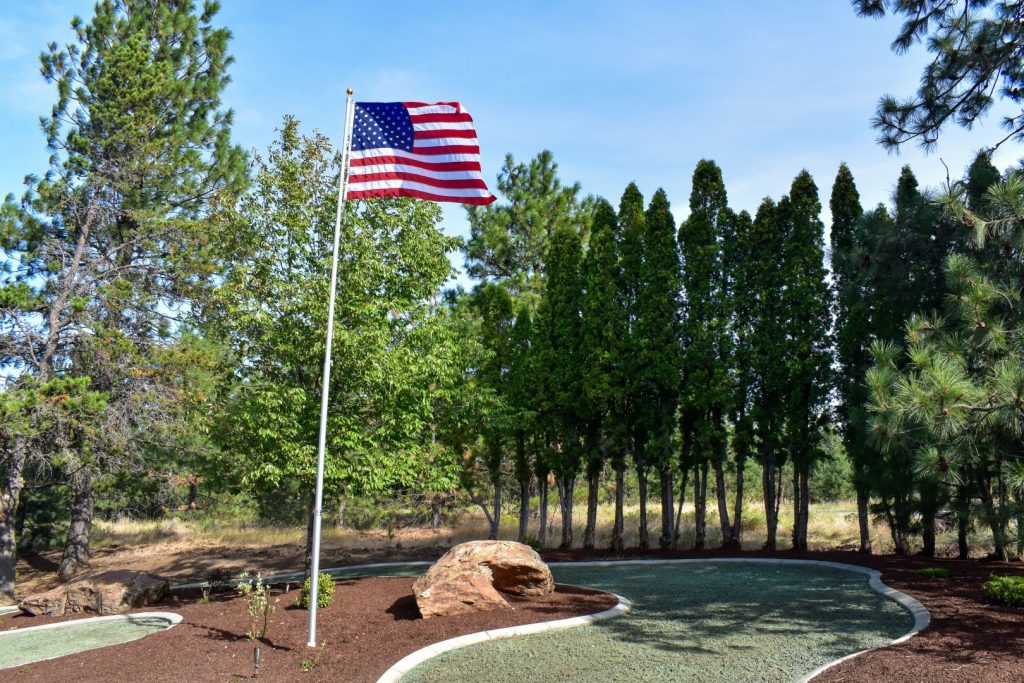
Crane Flagpole Installation: Heavy-Lift Expertise for Large-Scale Projects
When a standard installation simply won't do, All States Flag & Pole deploys crane-assisted flagpole installation to handle the tallest, heaviest, and most complex projects with precision and safety.
What Is Crane Flagpole Installation?
Crane flagpole installation is a specialized method used when a flagpole's size, weight, or site conditions make conventional installation methods insufficient. Standard equipment like boom lifts or manpower alone cannot safely handle poles that stand 60, 80, 100 feet or taller — or those fabricated from heavy-gauge steel and aluminum. A crane provides the lifting capacity, reach, and controlled placement necessary to set these poles precisely and safely into their foundations.
This approach is the industry standard for large commercial properties, government facilities, military bases, hospitals, universities, and high-visibility institutional settings where monumental flagpoles are the norm. The stakes are high — both literally and figuratively. An improperly set large flagpole is not just an aesthetic problem; it is a structural and safety liability.
All States Flag & Pole coordinates the full scope of crane-assisted flagpole installation projects, from initial site assessment and foundation engineering through crane coordination, pole placement, rigging, and final inspection. Our clients receive a complete, turnkey service — not a patchwork of disconnected contractors.
Why Choose All States Flag & Pole for Crane Installation?
Crane flagpole installation is not a task for generalist contractors. It requires deep familiarity with flagpole engineering, load dynamics, soil conditions, foundation design, and the coordination demands of heavy-lift operations. Our team has managed large-scale flagpole projects across Pennsylvania, Delaware, and the surrounding region — and we understand what separates a properly executed project from a costly, dangerous mistake.
Proven Crane Experience
We have successfully executed crane-assisted installations for some of the region's most demanding commercial and institutional flagpole projects.
Engineered Foundations
Every large pole requires a properly engineered foundation. We account for soil bearing capacity, wind load calculations, and local code requirements.
Full-Service Coordination
We manage crane scheduling, site logistics, flagpole procurement, permitting support, and installation — so you have a single point of contact.
Safety-First Approach
Crane operations follow strict safety protocols. Our crews are trained in rigging, load management, and site safety to protect workers and property.
Permitting Guidance
Large flagpole installations frequently require local building permits and engineered stamped drawings. We guide clients through every step of the process.
Quality Materials
We work with commercial-grade aluminum, fiberglass, and steel flagpoles designed to withstand high-wind environments and decades of outdoor exposure.
When Does a Flagpole Project Require a Crane?
Not every flagpole installation requires a crane — but knowing when one is necessary is critical for safety and project success. Our team evaluates each project individually during the consultation phase to determine the appropriate installation method. Crane installation is typically required in the following situations:
- Pole height of 60 feet or greater — Taller poles exceed the reach and safe capacity of conventional equipment such as telehandlers or boom lifts.
- Heavyweight flagpole construction — Large-diameter steel or heavy-gauge aluminum poles can weigh several thousand pounds, requiring crane-level lift capacity.
- Confined or complex site access — When access is limited by existing structures, landscaping, or utilities, a crane provides the reach and positioning that other equipment cannot.
- Multiple pole installations — Monumental installations featuring rows of tall poles are completed more safely and efficiently with crane assistance.
- Replacement of existing large poles — Removing and replacing an aged or damaged large flagpole often requires crane support for both extraction and re-installation. Our flagpole removal and flagpole relocation services frequently involve crane coordination.
- Elevated or rooftop installations — Poles mounted to elevated structures, parking decks, or building rooftops may require crane access where ground-level equipment cannot reach.
If you're unsure whether your project requires crane installation, our team will assess the situation during a free site consultation and provide a clear, honest recommendation.
Our Crane Flagpole Installation Process
Every crane flagpole installation we execute follows a structured, methodical process designed to protect your investment, maintain safety, and ensure a result that will stand for decades. Here's what to expect when you work with All States Flag & Pole:
Initial Consultation
We discuss your project goals, flagpole specifications, site constraints, and timeline. This conversation shapes every subsequent decision.
Site Evaluation
Our team visits the site to assess soil conditions, underground utilities, access routes for crane equipment, and any structural considerations that will affect the installation plan.
Foundation Engineering
Large flagpoles require substantial concrete foundations engineered to handle wind loads and pole weight. We coordinate foundation design based on local code requirements and manufacturer specifications.
Permitting
We assist with local building permit applications and, where required, provide or coordinate stamped engineering drawings for submission to the authority having jurisdiction (AHJ).
Foundation Preparation
Our crews excavate and form the foundation, set anchor bolts to precise tolerances, and pour and cure the concrete — ensuring a rock-solid base before any pole is set.
Crane Coordination & Mobilization
We schedule and coordinate crane mobilization, confirm site access, and establish a detailed lift plan to govern the day of installation.
Pole Installation
The crane lifts and precisely positions the flagpole into the foundation sleeve or onto the anchor bolt pattern. Our rigging crew guides placement, ensures perfect plumb alignment, and secures all hardware.
Final Inspection & Commissioning
We verify plumb alignment, confirm all hardware is properly torqued, rig the halyard system, and walk you through operation and maintenance before considering the project complete.
Benefits of Professional Crane Flagpole Installation
Choosing a professional flagpole contractor with crane installation experience delivers advantages that extend far beyond the day of installation:
- Safe, controlled placement of heavy poles that no other method can match
- Precision plumb alignment from the very first day
- Engineered foundations that meet or exceed local building codes
- Reduced risk of property damage during installation
- Long-term structural integrity in high-wind conditions
- Code compliance, reducing liability for building owners
- Professional appearance that reflects well on your property or organization
- Proper halyard system rigging from day one
- Single contractor accountability from foundation to flagpole top
- Clear documentation for permitting, insurance, and maintenance records
Types of Projects We Handle
Crane-assisted flagpole installation is appropriate across a wide range of property types and industries. All States Flag & Pole has experience working in demanding environments where precision, professionalism, and strict adherence to safety standards are non-negotiable.
- Corporate campuses and office parks
- Federal, state, and municipal government properties
- Military installations and veterans memorials
- Hospitals and healthcare facilities
- Universities and colleges
- K-12 schools and school districts
- Stadiums and sports complexes
- Industrial facilities and manufacturing plants
- Hotels and convention centers
- Retail centers and commercial developments
- Airport and transportation hubs
- Houses of worship and institutional campuses
Whether your project involves a single monumental pole at a government building or a coordinated multi-pole installation at a sports complex, our team has the equipment, experience, and project management capability to deliver. We also provide ongoing flagpole repair and flagpole maintenance services after installation — ensuring your investment is protected for years to come.
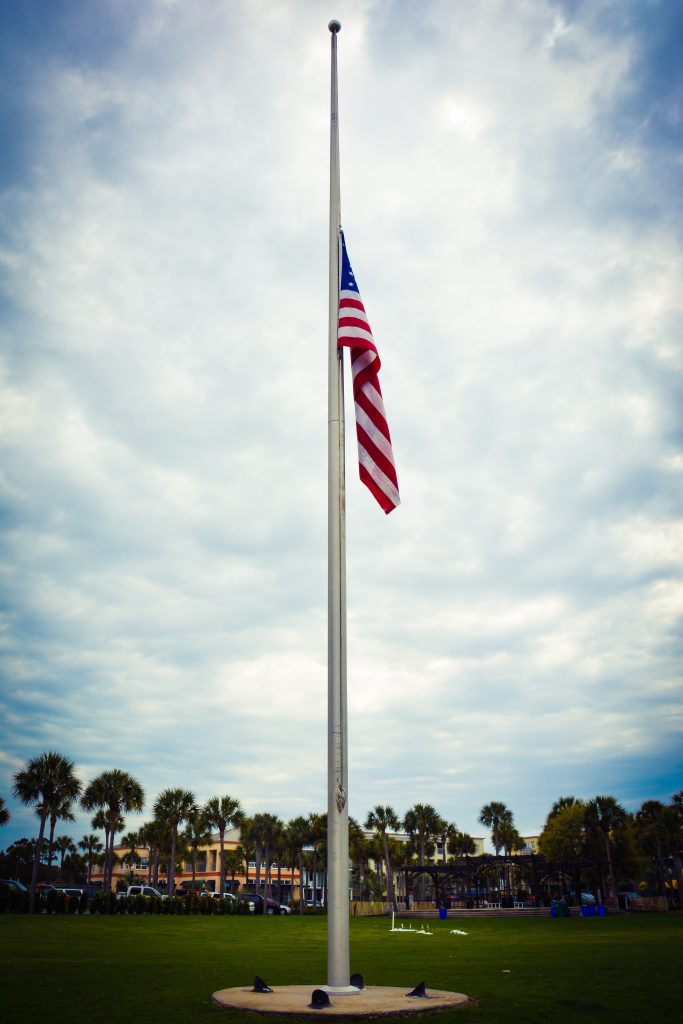
Equipment & Materials Used in Crane Flagpole Installation
The quality of materials matters as much as the quality of installation. All States Flag & Pole sources flagpoles and hardware from reputable manufacturers whose products are engineered to perform under real-world conditions — including high winds, UV exposure, and decades of continuous outdoor use.
| Component | Options Available | Best For |
|---|---|---|
| Aluminum Flagpoles | Sectional and one-piece; commercial and monument grades | Most commercial and institutional applications; lightweight, corrosion-resistant |
| Fiberglass Flagpoles | One-piece tapered; various heights and diameters | Coastal environments, areas with RF interference concerns, or where electrical conductivity is a risk |
| Steel Flagpoles | Galvanized or powder-coated; heavy-duty construction | Extreme high-wind zones, very tall poles, high-load applications |
| Internal Halyard Systems | Lockable, vandal-resistant access door and winch | Security-sensitive properties, high-traffic public areas |
| External Halyard Systems | Cleat-operated rope halyard | Standard commercial and residential installations |
| Anchor Bolt Foundations | Engineered to specific pole height and wind zone | All crane-installed poles; required for structural integrity |
| Crane Equipment | Sized to pole weight, height, and site access requirements | Poles 60 ft+ or where conventional lifting equipment is insufficient |
Our team will recommend the right pole material, halyard system, and foundation design for your specific location, wind zone, and operational requirements. We work with aluminum flagpoles and fiberglass flagpoles alike, and we can advise on the tradeoffs of each based on your site conditions.
Why Professional Installation Matters for Large Flagpoles
A flagpole standing 80 or 100 feet tall exerts enormous force on its foundation during a high-wind event. The engineering principle is straightforward — the taller the pole, the greater the lever-arm effect at the base. A foundation that is undersized, improperly poured, or set in poorly evaluated soil can fail catastrophically. That kind of failure puts people at risk and can cause significant property damage.
Soil conditions vary dramatically across a single property, and even experienced contractors can underestimate subsurface challenges without proper evaluation. Rocky soil, high water tables, loose fill, or underground utilities all affect how a foundation must be designed and installed. Our site evaluations account for these variables before a single shovel breaks ground.
Wind load calculations are not optional for large poles — they are a structural necessity. Flagpoles in Pennsylvania and Delaware must be designed to withstand regional wind speeds, and many jurisdictions now require stamped engineering drawings as part of the permitting process. Our team coordinates these requirements so your project is fully documented and legally compliant.
Beyond safety, proper installation protects your long-term investment. A pole that is set out of plumb, has inadequate grounding, or uses substandard hardware will require costly repairs or early replacement. Professional crane flagpole installation done correctly the first time saves money over the life of the structure. When repairs do become necessary down the line, our flagpole repair team is ready to assist.
Frequently Asked Questions About Crane Flagpole Installation
A crane is typically required for poles 60 feet or taller, poles with significant weight due to heavy-gauge construction, or whenever site conditions — such as limited access, proximity to buildings, or complex terrain — make conventional lifting equipment impractical. Our team assesses each project individually to determine the right approach.
Foundation depth depends on pole height, diameter, weight, local wind loads, and soil bearing capacity. As a general rule, large commercial flagpoles require foundations that are engineered to the specific project — depth can range from 4 feet for smaller poles to 10 feet or more for very tall monumental poles. We coordinate engineering to ensure every foundation is correctly specified. Learn more on our flagpole foundation installation page.
Most jurisdictions require building permits for large flagpole installations, and many require stamped engineering drawings as part of the permit application. Crane operations may also require separate municipal notifications or approvals depending on local regulations. All States Flag & Pole assists clients in navigating the permitting process from start to finish.
The installation day itself — once the foundation has been poured and cured — typically takes a few hours to a full day depending on pole size, site complexity, and crane setup time. The overall project timeline, including site evaluation, permitting, foundation preparation, and concrete curing, usually spans several weeks from initial consultation to completed installation.
Height selection depends on the scale of surrounding structures, the size of flags you intend to fly, local zoning height restrictions, and the visual impact you want to achieve. For commercial properties, poles commonly range from 30 to 100 feet. Our team provides height recommendations during the consultation based on your property's specific context.
Yes. Replacement of large poles often requires crane assistance for both the removal of the old pole and the installation of the new one. In some cases, the existing foundation can be evaluated and reused; in others, a new foundation is required. We handle flagpole removal, foundation assessment, and new pole installation as a coordinated service.
Commercial-grade aluminum and steel flagpoles are the most common choices for crane-installed projects. Fiberglass poles are available for specialized applications. Pole styles include tapered and straight shafts, with internal or external halyard systems. We work with clients to select the right pole for their application, budget, and long-term maintenance expectations.
Commercial flagpoles generally require periodic inspections of the halyard system, hardware, and foundation area. Rope halyards should be checked seasonally and replaced as needed. Snap hooks, cleats, and truck assemblies may need maintenance over time. All States Flag & Pole provides ongoing maintenance and repair services to keep your installation in top condition.
Yes — and coordinating multiple pole placements within a single crane mobilization is often cost-effective. If your project involves a row of poles along an entrance drive, a plaza installation, or multiple poles across a campus, we can plan the sequence to maximize efficiency during the crane's time on site.
All States Flag & Pole serves Pennsylvania, Delaware, and surrounding areas. For larger commercial and institutional projects, we can travel to serve clients across a broader region. Contact us to discuss your project location and we'll let you know if we can serve you.
Ready to Plan Your Crane Flagpole Installation?
Whether you're planning a monumental flagpole for a corporate campus, a government facility, a veterans memorial, or any large-scale commercial property, All States Flag & Pole has the experience and equipment to execute your project safely and professionally. Contact us today to schedule a site evaluation and receive a detailed project quote.