


Crane Flagpole Installation: Heavy-Lift Expertise for Large-Scale Projects
When standard installation methods aren't enough, All States Flag & Pole provides professional crane-assisted flagpole installation for tall, heavy, and high-visibility flag displays. From large commercial campuses to veterans memorials and government facilities, we handle the full project — engineering, permitting, foundation, and precision crane placement.
What Is Crane Flagpole Installation?
Crane flagpole installation is a specialized method used to erect large, heavy flagpoles that cannot be safely or practically installed using conventional equipment and manual labor alone. Once a flagpole reaches a certain height or weight threshold — typically poles 50 feet and taller, or aluminum and fiberglass shafts with significant diameter and wall thickness — a crane or boom truck becomes the right tool for the job.
The process combines precise geotechnical preparation, engineered concrete foundations, and coordinated crane rigging to set the pole plumb, secure, and correctly aligned on the first placement. Done properly, a crane installation results in a flagpole that is structurally sound, visually impressive, and built to withstand decades of wind loading and environmental exposure.
All States Flag & Pole manages every phase of crane flagpole projects in-house — from the initial site evaluation and permitting through foundation construction, crane coordination, pole setting, and final hardware commissioning. You work with one experienced team from start to finish, not a patchwork of subcontractors.
Not sure if your project requires a crane? As a general rule, flagpoles 50 feet or taller, poles installed on elevated or constrained sites, and any pole with a shaft diameter exceeding standard residential specifications will benefit from crane-assisted placement. Our team can evaluate your site and give you an honest recommendation.
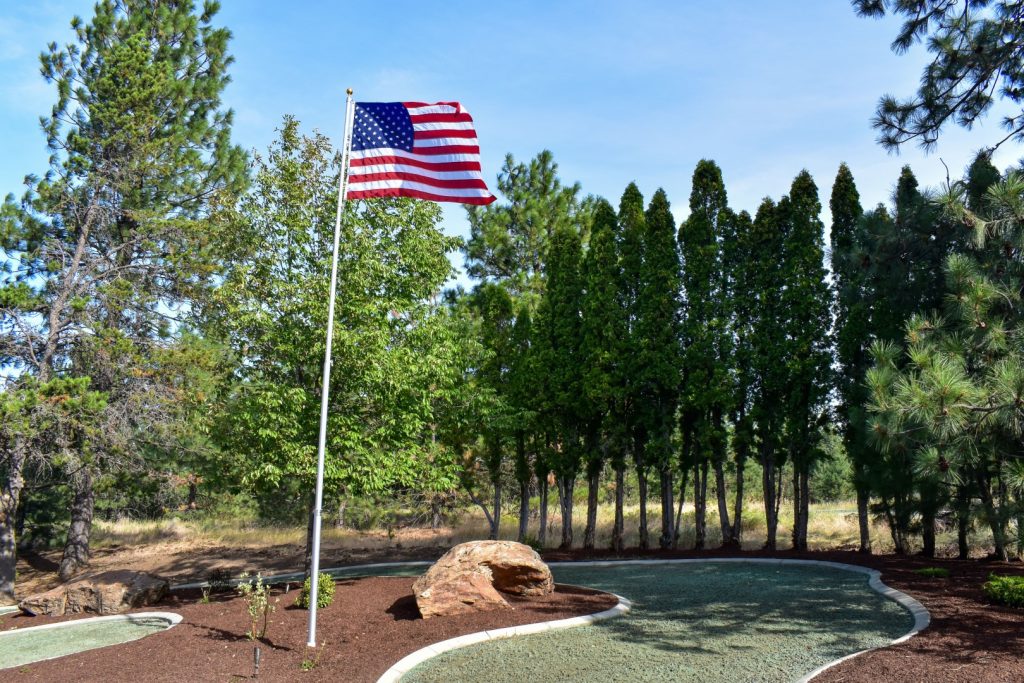
Commercial flagpole installation — Haverford, PA
Why Professional Crane Installation Matters
Large flagpoles represent a significant investment — both financially and in terms of your property's appearance and safety. Attempting to set a 60-, 80-, or 100-foot flagpole without appropriate lifting equipment introduces serious structural and safety risks that no experienced contractor would accept.
Safety First, Always
A flagpole weighing several hundred to several thousand pounds must be lifted, positioned, and lowered into a foundation sleeve with millimeter-level precision. Improper rigging, inadequate equipment, or undertrained crews can result in catastrophic drops, pole damage, or worker injuries. Crane operators and flagpole installers working together under a single experienced contractor eliminates these risks.
Foundation Engineering
Tall poles generate enormous bending moments at the base — especially in high-wind conditions. Crane installations require properly engineered foundations sized to the pole's wind load ratings, local soil bearing capacity, and depth requirements. Our team designs and pours foundations that meet or exceed these specifications, protecting your investment for years to come. Learn more about our dedicated flagpole foundation installation services.
Plumb Placement & Alignment
A crane allows the installation team to hold the pole in precise position while the foundation grout cures, ensuring perfect plumb alignment. Even a fraction of a degree off-vertical becomes visible and structurally problematic over time on tall poles. Manual placement methods simply cannot achieve the same repeatability.
Wind Load Compliance
Commercial and institutional flagpoles must comply with applicable wind load standards, including ANSI/NAAMM FP 1001 guidelines. Crane installations are almost always paired with engineered shop drawings and certified foundation designs that document compliance — critical for building permits and liability purposes.
Minimizing Site Disruption
A skilled crane crew working with an experienced flagpole contractor can complete even a large pole setting in a single day, minimizing disruption to your facility's operations, parking, or landscaping. We plan crane access routes, mat placement, and rigging in advance so the lift day runs efficiently.
Long-Term Structural Integrity
Poles that are set plumb, grouted correctly, and supported by properly engineered foundations have service lives measured in decades. Cutting corners on any phase of the installation leads to premature wear, settling, or failure — and far more expensive remediation later. Professional crane flagpole installation is the foundation of a long-lasting display.
Our Crane Flagpole Installation Process
Every project we undertake follows a structured process designed to protect your investment, keep the project on schedule, and deliver a result you can be proud of for decades.
Consultation & Scope Review
We discuss your vision, flag display goals, height requirements, number of poles, and site constraints. We provide honest recommendations based on your specific needs — not a one-size-fits-all sales pitch.
Site Evaluation
Our team visits the property to assess soil conditions, underground utilities, overhead obstructions, crane access, and any factors that will influence the foundation design or lift plan.
Engineering & Permitting
We prepare or coordinate engineered foundation drawings, wind load calculations, and permit applications as required by your municipality. We handle the paperwork so you don't have to.
Foundation Excavation & Pour
We excavate to the required depth, set the foundation sleeve and conduit, place reinforcing steel as specified, and pour the concrete foundation. Curing time is allowed before the lift is scheduled.
Pole Delivery & Staging
The flagpole sections are delivered to the site and staged for assembly. Hardware is inspected, all components are verified against specifications, and the halyard system is prepared for installation.
Crane Mobilization
Our crane contractor mobilizes to the site on lift day. We confirm crane capacity, reach, and rigging plan before any lifting begins. Safety is verified at every step before the pole leaves the ground.
Precision Pole Setting
The pole is rigged, lifted, and carefully guided into the foundation sleeve. Our ground crew uses levels and guides to ensure perfect plumb alignment as the pole is lowered into position and temporarily secured.
Grouting & Final Hardware
Non-shrink grout is poured around the base sleeve to permanently secure the pole. Once cured, we install all exterior base covers, hardware, cleats or internal pulley systems, and the flag(s) as required.
Final Inspection & Walkthrough
We inspect the completed installation for plumb, hardware function, flag operation, and site cleanup. We walk you through the system and provide maintenance recommendations to protect your investment.
Benefits of Crane-Assisted Flagpole Installation
🏆 Structural Precision
Crane placement achieves exact plumb alignment that manual methods cannot replicate on tall, heavy poles — ensuring a perfectly vertical display for the life of the pole.
🛡 Enhanced Safety
Controlled lifting eliminates the risks associated with improvised raising methods. Our crews are trained, insured, and operate under strict safety protocols throughout every lift.
📄 Code & Permit Compliance
Engineered foundations and documented wind load compliance satisfy municipal permit requirements and protect you from liability related to structural failures.
🏠 Professional Appearance
A tall, plumb flagpole with correctly installed hardware and a properly sized flag creates a commanding visual presence that reflects well on any organization or property.
⏱ Efficient Project Completion
Crane availability and pre-planned logistics mean the pole setting phase typically completes in a single day, minimizing disruption to your facility.
🌟 Long Service Life
Properly engineered and installed flagpoles routinely serve 30 to 50 years with minimal maintenance. The upfront investment in a professional crane installation pays dividends for decades.
📦 Quality Materials
We work with commercial-grade aluminum and fiberglass flagpoles engineered to meet ANSI/NAAMM wind load standards, ensuring the pole performs in the conditions your site demands.
🔧 End-to-End Management
One contractor handles engineering, permitting, foundation, crane, and hardware — streamlining communication and accountability throughout the entire project.
Types of Projects We Handle
Crane flagpole installation is appropriate for a wide range of commercial, institutional, and civic applications. Any project where pole height, weight, or site access demands a controlled lift is a candidate for our crane installation services.
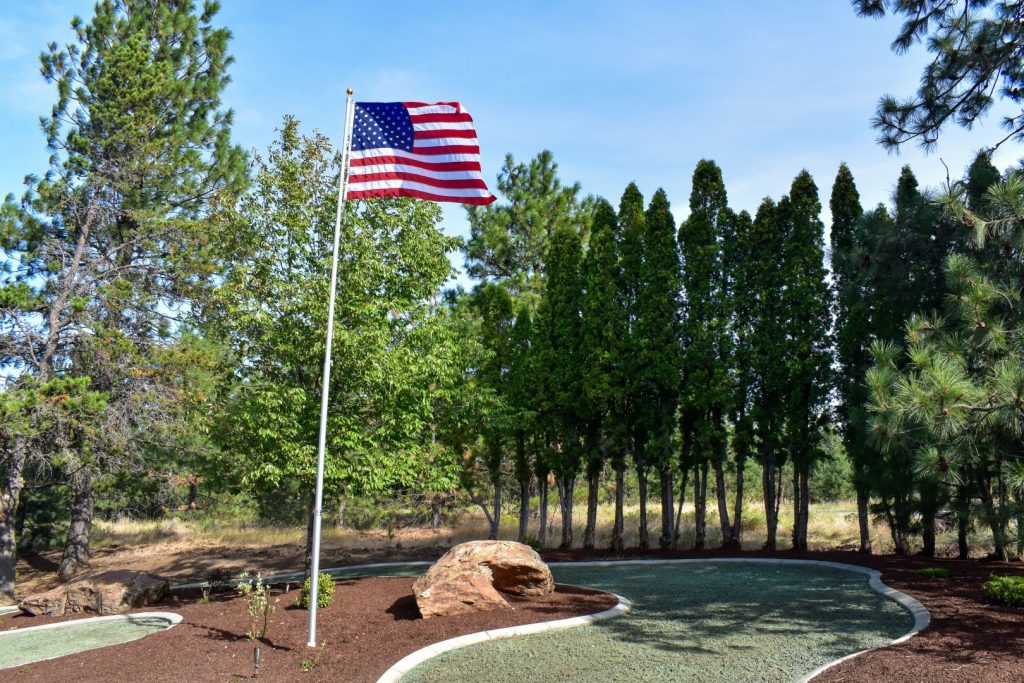
Multi-pole commercial installation — Villanova, PA
Equipment, Materials & Pole Options
Crane installations accommodate the full range of commercial-grade flagpole materials and configurations. We help you select the right pole specification for your application, aesthetics, and budget.
| Flagpole Type | Typical Height Range | Key Advantages | Common Applications |
|---|---|---|---|
| Aluminum Flagpoles | 40 – 100+ ft | Lightweight, corrosion-resistant, low maintenance, wide finish options | Corporate, government, school, HOA |
| Fiberglass Flagpoles | 40 – 80 ft | Non-conductive, excellent in coastal/chemical environments, no oxidation | Coastal, industrial, utility, military |
| Steel Flagpoles | 60 – 150+ ft | Maximum strength for very tall or high-wind applications | Municipal, stadium, large memorial |
| Internal Halyard | All heights | Vandal-resistant, cleaner appearance, protected hardware | High-traffic, public, commercial |
| External Halyard | All heights | Easy access, lower cost, traditional appearance | Low-traffic, private, institutional |
Our team can also assist with motorized halyard systems, illumination packages, multi-pole display configurations, and decorative base cover options. We source poles from manufacturers who meet ANSI/NAAMM FP 1001 standards, so you can be confident in the structural ratings of every pole we install.
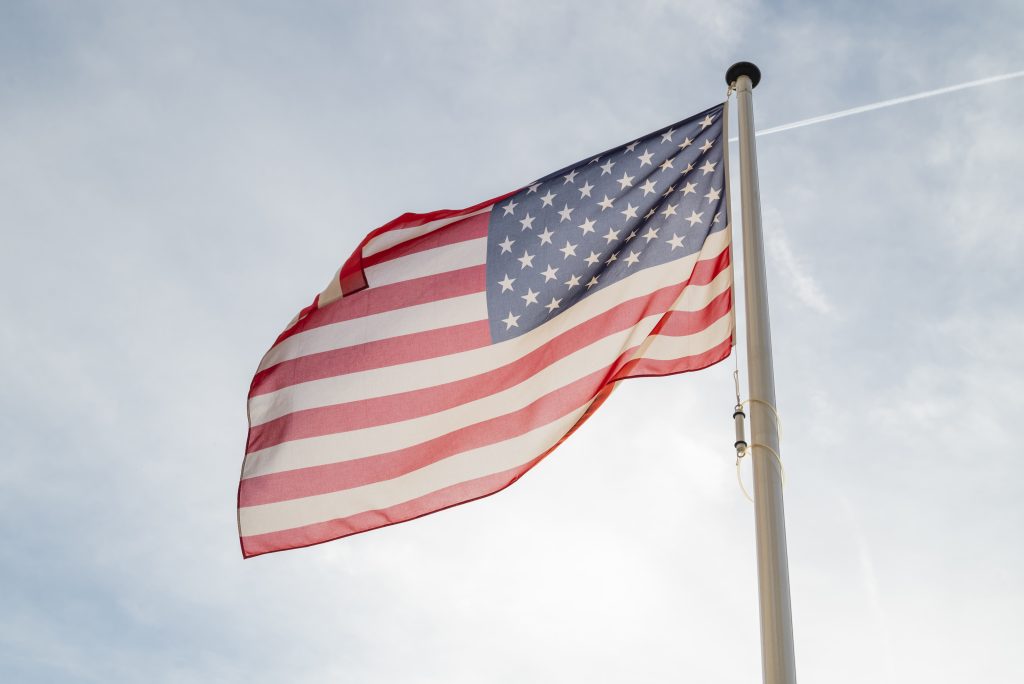
Expert installation teams serving the greater Philadelphia region
Why Choose All States Flag & Pole?
Crane flagpole installation is not a project for contractors who are figuring it out as they go. It requires a precise intersection of civil engineering knowledge, rigging experience, foundation construction skill, and flagpole hardware expertise. All States Flag & Pole brings all of these disciplines together under one roof.
We also offer ongoing flagpole repair, flagpole maintenance, and flagpole relocation services, so we remain a long-term partner for your flag display — not just the installation contractor.
Frequently Asked Questions
At what height does a flagpole require crane installation?
There is no universal cutoff, but crane installation becomes the standard practice for flagpoles 50 feet and taller, or for any pole where the shaft weight, diameter, or site constraints make manual raising unsafe or impractical. Poles in the 60 to 100-plus-foot range virtually always require crane or boom truck assistance. Our team will evaluate your specific pole and site and give you an honest recommendation.
How deep does the foundation need to be for a large flagpole?
Foundation depth depends on the pole height, wind load zone, soil bearing capacity, and the pole manufacturer's engineering specifications. As a general reference, a 60-foot commercial flagpole may require a foundation 4 to 6 feet deep, while an 80-foot pole could require 6 to 8 feet or more. Our team prepares or coordinates certified engineered foundation designs for every crane project.
Do I need permits for a large flagpole installation?
In most municipalities, flagpoles above a certain height — commonly 35 to 50 feet — require building permits. Some localities require permits for any permanent flagpole regardless of height. All States Flag & Pole handles the permit application process on your behalf, including providing engineered drawings where required.
How long does a crane flagpole installation take?
The overall project timeline spans several weeks from initial consultation to completed installation, primarily due to foundation curing time (typically 7 to 14 days) and permit processing. The actual crane lift and pole setting typically take a single day. Foundation excavation and pouring takes one to two days. We provide a detailed schedule at the outset of every project so you can plan accordingly.
What flagpole height is right for my property?
A commonly used guideline is that a flagpole should be roughly one-third the height of the tallest nearby structure, or tall enough that the flag is visible from the intended viewing distance. For large commercial or institutional sites, poles in the 60 to 80-foot range are common. We will assess your property during the site evaluation and recommend appropriate height options.
Can you install multiple flagpoles in a single project?
Absolutely. Many commercial, governmental, and memorial installations involve three, five, or more poles — often displaying the U.S. flag alongside state flags, organizational flags, or POW/MIA flags. Crane mobilization costs are spread across multiple poles in a single visit, making multi-pole installations efficient and cost-effective.
Can you replace an existing flagpole using a crane?
Yes. Crane-assisted flagpole removal and replacement is a common project type. We can remove the existing pole, evaluate the foundation for reuse or replacement, and install the new pole using the appropriate crane equipment. If the existing foundation is in good condition and correctly sized for the new pole, we may be able to reuse it, saving time and cost. Visit our flagpole removal page for more information on that phase of the process.
What ongoing maintenance does a large flagpole require?
Tall flagpoles are relatively low maintenance when properly installed. Annual inspections of the halyard, snaps, and truck assembly are recommended. Hardware components — particularly rope or cable, snap hooks, and pulleys — have defined service lives and should be replaced proactively. We provide a complete maintenance walkthrough at project completion and offer ongoing service contracts for commercial clients.
What areas do you serve for crane flagpole installation?
All States Flag & Pole serves Pennsylvania, Delaware, New Jersey, and surrounding states throughout the Mid-Atlantic region. We have completed commercial and institutional flagpole projects across the greater Philadelphia metro area and beyond. Contact us to discuss your project location.
Related Flagpole Services
All States Flag & Pole provides a comprehensive range of installation, repair, and maintenance services to support every type of flag display project.
Ready to Plan Your Crane Flagpole Installation?
Whether you're installing a single 80-foot monument pole or a multi-pole display for a corporate campus, veterans memorial, or government facility, All States Flag & Pole has the experience and equipment to do it right. Contact us today for a site evaluation and detailed project proposal.